Company Overview
The client is a Thai cuisine restaurant offering dine-in and online ordering, serving customers through a combination of owned digital channels and external food delivery marketplaces. The brand aimed to increase direct purchase performance through paid media while operating within a complex, multi-platform ordering environment.

Business Overview
The primary business objective was to drive purchase-led growth through paid advertising. However, the restaurant operated across two distinct ordering systems:
- A white-label online ordering solution integrated with the brand website (used for direct orders)
- A large third-party food delivery marketplace (similar to platforms like Zomato), which controlled checkout, delivery logistics, and promotional incentives
This created several challenges:
- Limited control over the full customer journey beyond owned channels
- Fragmented conversion visibility due to orders being completed on external systems
- Reduced ability to scale purchase-optimized campaigns once checkout control shifted
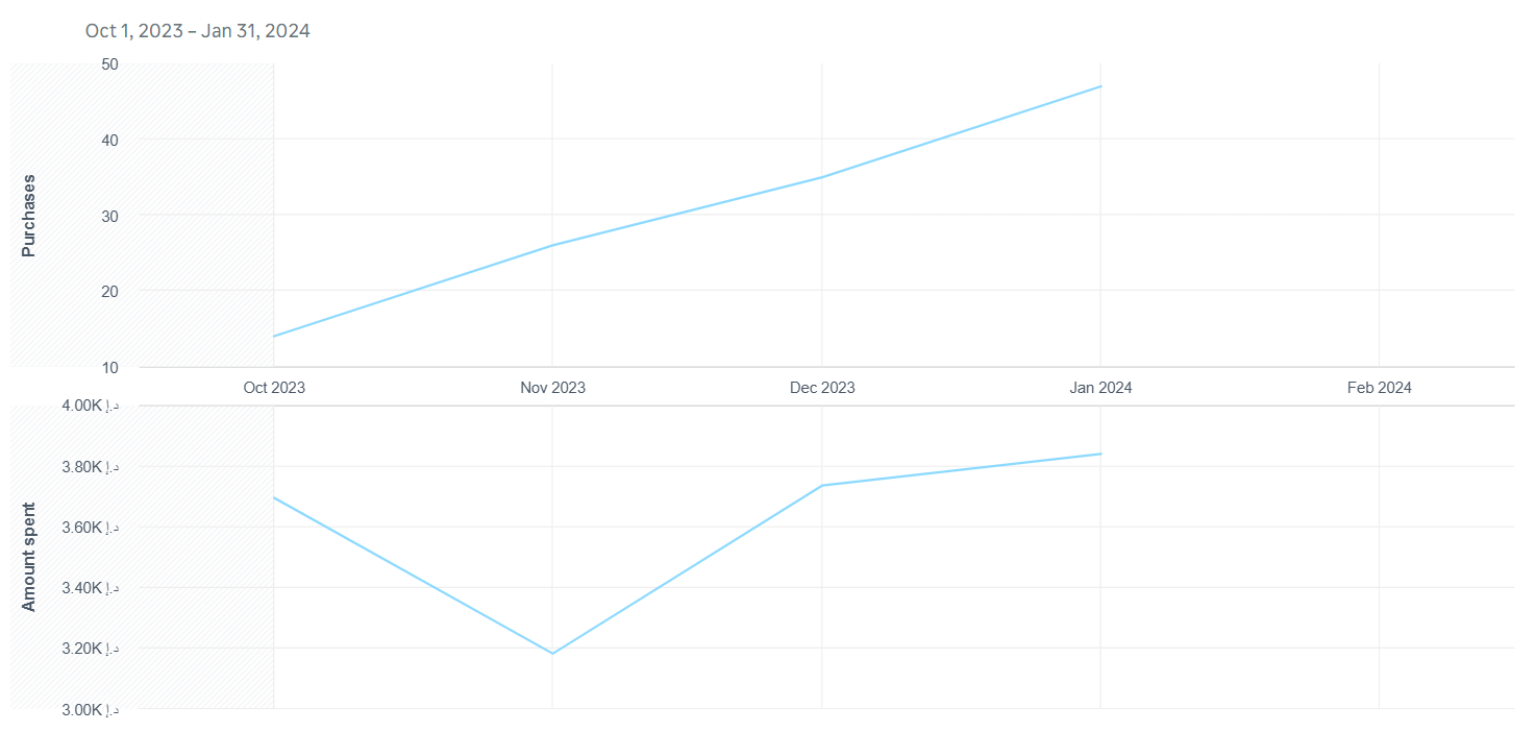
- The need to evaluate performance beyond just final purchases, using lower-funnel intent signals
Objective

Drive purchase intent through paid social campaigns

Increase adds to cart, checkout initiations, and completed purchases

Optimize campaigns for transactional engagement rather than awareness

Validate the effectiveness of owned-channel demand generation
Channels Used
Our Approach
The strategy focused on maximizing first-party demand generation during the period where the brand retained visibility and control over the ordering experience.
Meta campaigns were structured around a full-funnel purchase framework, using add-to-cart and checkout initiation events as primary optimization signals, with purchases as the final outcome where visibility allowed.
Creative and audience strategies emphasized menu appeal, ordering convenience, and intent-driven messaging to attract users most likely to transact within the brand’s owned ordering flow.
Rather than scaling on reach alone, budgets were concentrated on high-intent segments showing strong lower-funnel engagement.
Execution Highlights
- Purchase-optimized Meta campaigns focused on lower-funnel events
- Funnel-based optimization using add-to-cart and checkout initiation signals
- Audience refinement to prioritize repeat and high-intent users
- Creative testing aligned with menu highlights and order-ready messaging
- Ongoing monitoring of conversion drop-offs caused by external checkout handoffs
Results and Impact